
Category: My Blog

5 Different Types of Real Estate Property Investments

types of real estate investments

Investing in real estate properties can grant you several opportunities to build your equity over time. However, that is not the only reason why so many people consider these investments a wise choice. 

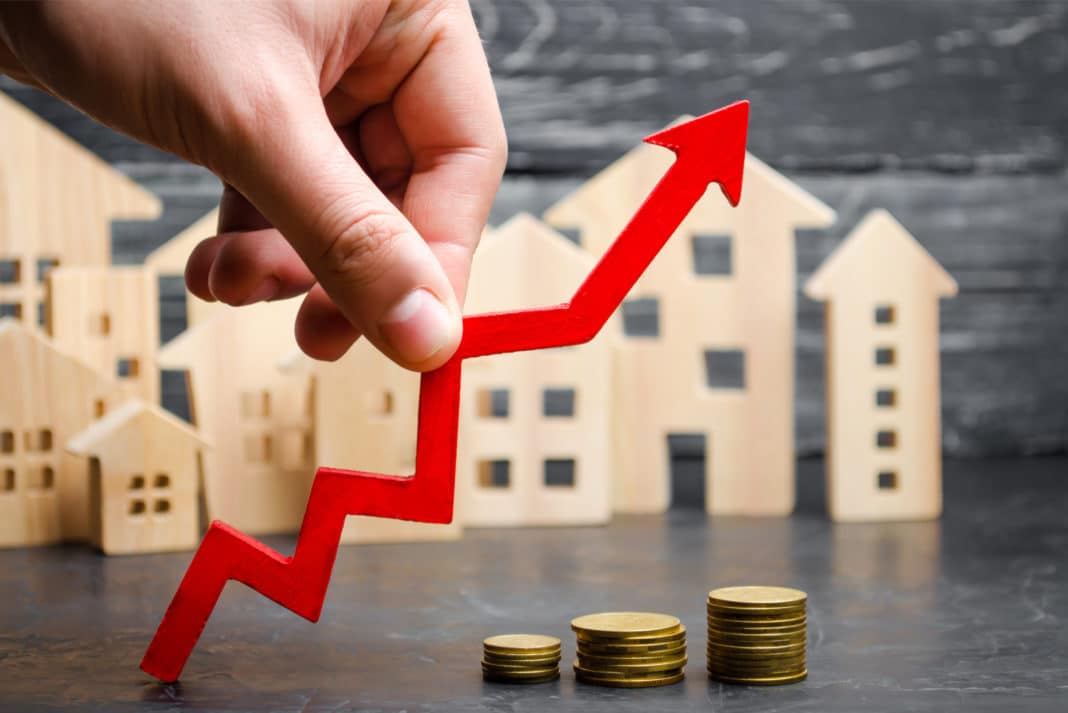
Despite the rising prices of mortgages and housing, the real estate market continues to experience a steady rise. According to investment analysis, the Philippines is expected to see a favorable growth of 7.8% within 2021.

The demand for real estate properties has also significantly increased beyond the supply in the current market, which makes it the perfect time to start your investments. However, before you even begin to take part, you must first understand the types of real estate investment available. 

Each option has its advantages and disadvantages. These different property types can benefit various kinds of investors depending on their needs and goals. 

1. Residential real estate

Residential real estate refers to any property used for housing. These include family homes, cooperatives, duplexes, and condos where the investor or a party renting the property lives in. This type is ideal if you are looking to start building your dream home or begin a family. 

Properties such as condos continue to remain in high demand due to their primary location. These properties are popular because of their convenience and access to nearby essential services such as malls, hospitals, and stores. 

Residential real estate is a good investment because of the returns you can get. For example, a real estate company in the Philippines typically has a pre-selling period when you can buy properties at a lower price. Investors take this opportunity to purchase and sell them later on when their value in the market increases. 

2. Commercial real estate

Commercial real estate refers to any property where the main purpose is to host business operations and services. These properties typically include apartment complexes, stores, gas stations, hotels, hospitals, parking facilities, etc. 

Investors in this category are typically business owners who want to establish their brand in a particular location or create a working space for their employees. While sales and transactions do play an important role in creating cash flow, most of its returns come from the rental profit of the property. 

3. Industrial real estate

Industrial real estate refers to all lands, buildings, and other properties that accommodate industrial-sized activities. These activities include production, assembly, warehousing, manufacturing, research, and distribution of goods and products. 

Zoning laws will typically specify which areas in a city these real estate properties can be designated so they won’t disrupt residential and other nearby places during its operations. The return on this investment is influenced by multiple factors, including the type of property you choose.

4. Raw land

Raw land typically refers to undeveloped or agricultural land such as farms, ranches, and timberlands. Many investors look at these properties as a good investment because they are tangible and finite resources. Additionally, these properties save you from the trouble of running renovations and worrying over stolen or damaged goods. 

Compared to buying a residential property or warehouse, raw land can be a significantly cheaper investment that requires no property insurance. However, a major downside to this is that it cannot generate income on its own. 

5. REITs

Real Estate Investment Trust (REIT) manages or owns commercial properties that produce an income. Investments with these companies can be made through an exchange-traded fund or a mutual fund. 

REITs are one of the assets that perform exceptionally in the real estate market, meaning better returns for your investment. There are also different types of REITs to choose from to better leverage your portfolio, such as retail, office, healthcare, residential, and mortgage. 

Investing for the future

As the world population continues to grow, the demand for housing and other real estate properties continues to rise. This makes it ideal to begin your real estate investments as early as possible to get the best deals for your preferred properties. They can help grow your income, benefitting you financially.

While several real estate properties are available in the market, residential continues to be one of the most popular choices. This is because many prime spots in the Philippines have established residential properties, such as condos, for convenient living. Email invest@federalland.ph today to find the best properties located in these key areas. 

12 unmissable interior design tips – to style a house into a dream home

When it comes to making a house feel like a home there’s more than meets the eye. Pulling a room together and transforming the features to make it functional and stylish yet homely is not often an easy task.

From working out what paint works best in different rooms and lighting options to where to place furniture – there are so many elements to consider. That’s where an  interior designer’s help and expertise becomes invaluable.

Whether you’re renovating an entire house, sprucing up the kitchen or adding a splash of colour to freshen up a living room – these helpful DIY and decorating pointers are not to be missed. Leading interior designer Vanessa Arbuthnott shares her designer tips and secrets to gain insider knowledge for transforming homes like a professional.

12 of the best interior design tips

light and bright modern dining room with pastel dining chairs, oval dining table and statement dome ceiling pendant
1. Make it your own
Remember it’s your home. ‘There are no rights nor wrongs in interior design, everyone has the potential to design their own home,’ says Vanessa Arbuthnott.  ‘It’s just a matter of getting an eye for it. Remember that you are in control, taking the latest trends into account is worthwhile but always put your own personal spin on something to make it special. Your home is where you spend most of your time, so the space needs to reflect you.’


2. Seek design inspiration for a mood board
interior design tips
View colours
Powered byDulux
0Saved
Image credit: Future PLC/ Carolyn Barber
‘Transform your interiors from tired to revitalised by gathering inspirational images from magazines, Instagram, Pinterest etc’ Vanessa advises. ‘Once you have a strong collection you will begin to see the look you would like to achieve. Creating a mood board is a great way to use your creativity to unleash any hidden design inspiration you may have subconsciously seen.’
Vanessa goes on to explain how she does this, ‘Buy a large foam board and pins from your local art or stationary shop and collate samples, images, samples of the fabrics, wallpapers, furniture and flooring that you might want to use. This way you can see how they would all sit together within the room.’ Stressing, ‘ it is important to add textures through flooring, rugs and fabrics such as velvet, wool, and tweed. Place the mood board in the room and live with it for a while.’
3. Consider colours and fabrics
Pale grey living room with bright yellow painted wall and fireplace
View colours
Powered byDulux
0Saved
Image credit: Future PLC/ Dan Duchars
‘Start to hone in on the colours you want to use – for the painted walls or wallpaper, furniture, blinds and curtains. The third colour could be a highlight for cushions, lampshades, bed quilts and accessories such as a tablecloth or even a painting.’
Vanessa offers this brilliant top tip: three colours are always better than two – use these colours throughout the room.
4. Try before you buy paint and paper
grey paint samples painted onto cards on hallway wall
View colours
Powered byDulux
0Saved
Image credit: Future PLC/ Dominic Blackmore
‘Remember that colours can change depending on lighting so buy sample pots and paint’ Vanessa warns. ‘Paint at least A2 sized paint patches, on the lightest and the darkest walls in the same room – to see how the natural light affects the shade.’ This is especially effective for finding the best white paint, because it changes so much in the light.
Same goes for wallpaper, ‘Tape wallpaper samples to the walls and drape large returnable samples over existing furniture or pin them to existing curtains and blinds. Stand back and see what you think!’ she enthuses.
 5. Transform old to new
alcove design idea neutral bedoom with purple painted alcove
View colours
Powered byDulux
0Saved
Image credit: Dulux
‘If you have a blank canvas it’s easier, but more often we must work with existing sofas or rugs etc. Look closely at the rug and see if you can work with the colours within it. Maybe you can reupholster the old favourite sofa to give it a new lease of life? Decide if you are someone who likes pattern or plain; traditional or contemporary; and look at a colour wheel or nature itself to see what colours go with what. For instance, pinks and reds with greens, orange with duck egg, yellows with grey and blues.
6. Size up the furniture
Barn conversion grey bedroom with high vaulted ceiling
View colours
Powered byDulux
0Saved
Image credit: Jon Day/Future PLC
‘Decide on the furniture you want in your room. Think about scale, in a large room you need a big sofa and footstool’ Vanessa advises. ‘Most designers recommend that even small rooms should have one large statement piece, even if it is a headboard in a bedroom. A balance of large and small pieces will create an appealing living space.’
7. Analyse the look and take your time
white open plan dingin and living room with shelving
View colours
Powered byDulux
0Saved
Image credit: Future PLC
‘Collect pieces as you come across them, this way you will purchase things you’ve fallen in love with. Rather than settling for what’s available in certain stores or online at the time you need something’ are Vanessa’s wise words. ‘You can spend time analysing the look and colours of your room with accessories. The more time you take to add things into your house, your interior design knowledge will expand as you can understand what works best with certain features.’
8. Order returnable samples
‘Once you have narrowed your choice right down and have a good idea of what you might want, order some returnable samples’ Vanessa reveals. ‘These are half metres of fabric which works best draped over backs of chairs and pined to existing curtains and blinds. The test will see if you’re still happy with them after a few days. This is also a great way to see how fabrics look against the paint colours.’
9. Be bold with paint ideas
Bedroom with dark blue walls and contemporary bedding
View colours
Powered byDulux
0Saved
Photography Jon Day/Future PLC
The days of strict paint rules are over, the key to interior design in modern times is to embrace the paint idea that works for you. There are no rules of painting doors frames, skirting boards and ceilings in a brilliant white anymore – in fact some top interior designers argue against it!  Kelly Hoppen’ s advice for painting skirting boards is a game changer, she explains how painting the skirting the same same colour as the walls can help to make the room feel bigger.
10. Remember measuring is key
Red curtains with green blinds by interiors designer Vanessa Arbuthnott
View colours
Powered byDulux
0Saved
Image credit: Vanessa Arbuthnott
‘Decision time happens when you measure up your windows.’ Ensure you have the correct measurements before you even think about ordering blinds or curtains in particular rooms. Read more on that here: What not to do when choosing curtains – from measuring to styling all is revealed.
11. Add finishing touches
‘The finishing touches are the fun bit!’ Vanessa exclaims.  ‘Lampshades, rugs, cushions, paintings and plants can all make a huge difference, but are sometimes hard to choose until you have the walls painted or papered and curtains hanging. Even the colours on the spines of books in a bookshelf, a throw on the back of the sofa, or in a kitchen ceramic, tablecloths, create opportunities for accents of colour.’
12. Fill a room with a signature fragrance
pot pourri bowl
View colours
Powered byDulux
0Saved
Image credit: David Brittain
Video Of The Week


0 seconds of 55 secondsVolume 0%


Take note from hotel-style and give your home a signature scent, it’s incredible how much this can transform your home. Luxury hotels with select a key scent to have throughout, which then becomes associated with that place – adopt this by choosing your own signature smell for home, to engage the scenes. There’s no place like home, so ensure all your senses are alerted to the feeling of home the minute you step through the door. Use the best home fragrance for your via scented candles, diffusers and essential oils.
Be sure to make use of this wisdom for your next decorating project.

6 Tips to Sell Your Home Fast

1. Find the Right Real Estate Agent

If you want to sell your home fast, then the first step is to hire a real estate agent. The ideal person will know the local market and have a sales record that proves they know how to sell.

Keep in mind that a real estate agent will help with the entire process, from hiring a professional photographer who will take top-notch photos of your home to negotiating for the best price. They also will write up a real estate listing that sells, schedule and host showings, and market your property to get it seen.

2. Price It to Sell

One of the most effective ways to sell your home fast is to price it competitively. If you price it too high, then your home will spend more time on the market. Also, if your home is overpriced, then you may end up selling it for less eventually—it will just take a lot longer.

Your real estate agent (or Realtor) will research comparable homes (aka “comps”) in your area to set a realistic price. If you really need to sell fast, then consider pricing your home a little lower to attract interest (and maybe even spark a bidding war). If you haven’t received any offers by a certain date, knock the price down.

It’s also helpful to think about the price points that buyers search for in your area. If you list your home for $302,000, for example, then you’ll miss all the potential buyers who are looking for homes under $300,000. It’s probably not worth asking for the extra $2,000 if it means fewer buyers will see the home.

3. Clean, Declutter, and Depersonalize

Buyers need to be able to picture themselves in the space, but they won’t be able to if your house is a mess. Give your home a thorough cleaning from top to bottom, get rid of clutter, and hide the family photos and other personal items.

While you’re at it, rearrange the furniture so your home looks inviting and so buyers can move through your home without bumping into anything. If necessary, put bulky items in storage. A crowded room looks like a small room.

Consider hiring a stager to help you showcase your home’s best assets, impress potential buyers, and sell it quickly for the best possible price. Staging isn’t cheap, but the National Association of Realtors (NAR) estimates that, on average, staged homes sell 88% faster and for 20% more than non-staged homes.1

6 Tips to Sell a House Fast in Any Market | Money Girl

4. Boost Your Curb Appeal

If you want to sell quickly, then it’s essential to make a good first impression. And the first thing a buyer sees is a home’s exterior and how it fits into the surrounding neighborhood. To boost your home’s curb appeal:

  • Paint the front door
  • Plant flowers
  • Sweep away any spiderwebs and debris from windows, eaves, and porches
  • Wash the windows
  • Fix broken light fixtures and mailboxes
  • Make sure the trees, shrubs, and lawn are nicely manicured

Keep in mind that a tidy exterior not only looks nice but also signals to potential buyers that you’ve taken good care of the place.

5. Take Care of Quick Repairs

You won’t have time for any major renovations, so focus on quick repairs to address things that could deter potential buyers. Survey the house and take care of the easy fixes:

  • Fix loose tiles
  • Tighten leaky faucets
  • Touch up paint
  • Tighten door knobs and handles
  • Remove carpet stains

Depending on how much time and money you want to spend getting the home ready, you might also want to update fixtures, buy new appliances, install new hardware on the cabinets, and give the interior a fresh coat of (neutral) paint.

6. Sweeten the Deal

Another way to make the home and deal more attractive is to offer something to sweeten the pot. You could offer, for example, to pay some or all of the closing costs. Buyers are looking for a deal, particularly in a down market, so do your best to make them feel that they get one.

Another tip is to offer a transferable home warranty, which provides discounted repair and replacement services for household appliances and systems. A potential buyer may feel more at ease knowing that the home is protected, which could make your home more attractive than a competing home.

The Bottom Line

Selling a home can be stressful—even more so if you’re on a tight deadline. Fortunately, whether you need to sell fast because of a new job, a life event (e.g., a divorce), or financial reasons, there are ways to speed up the process.

If you don’t have a big budget to get your home sell-ready, then focus on that first impression. Buyers can make a decision within seconds—a few from the curb, and a few when they step inside the front door. Make those seconds count with a tidy yard, a sparkling home, and if you can swing it, a fresh coat of paint.

Architecture & Home Styles in San Diego

The road to San Diego has become more traveled since the pandemic began. It is one of the hottest real estate markets in the nation and offers future residents an unrivaled outdoor lifestyle. The list to describe San Diego’s allure is long, and it’s no secret why it is considered one of the best cities in Southern California. 

undefined
Aerial view of homes in La Jolla neighborhood of San Diego

San Diego stands out from other cities in California precisely because of its climate and unique neighborhoods that surround the enormous Balboa Park. Yet, it also shares in the beauty of modern architecture and vibrant home styles seen throughout the city. So, once you’ve decided to move to San Diego and have everything set to purchase your first home, the fun begins in choosing the perfect style for you. 

Below we compiled a list of the most popular home styles in San Diego to help buyers kick off their search.

Home styles in San Diego

  • Victorian
  • Spanish Revival
  • Craftsman Bungalow
  • Mid-Century Modern
  • Ranch
  • Modern Farmhouse
  • Mission

Victorian

When San Diego began developing into an immense hub, Victorian-style homes were the most common. The architectural style was born during Queen Victoria’s reign from 1837 to 1901 and flourished under the Industrial Revolution. 

A classical Victorian has all the makings of a fairytale home. The iconic turrets, asymmetrical facades, and colorful decorations have always placed Victorian homes as a popular architectural style in San Diego. The famous Gaslamp District alone in Downtown San Diego features 94 Victorian buildings, most of which are historic landmarks.  

Victorian homes are rare in today’s housing stock, but there are potential savings involved if purchasing one, thanks to the Mills Act. Because most Victorian homes are registered historic landmarks, the state mandates the owners to maintain the property up to standard. The Mills Act can cut property taxes on such homes by up to 70% as an incentive.

With luck, you can find Victorian homes for sale in Hillcrest, Mission Hills, or Coronado, among others.

Spanish Revival 

The stark white walls and red tile roofs of a Spanish Revival home make it one of the most popular types of architecture in San Diego.

In 1915, the Panama-California Exposition took place in Balboa Park, cementing San Diego as a commercial hub. The buildings that adorned the park were designed by the architect Bertram Goodhue, and they were the prime example of the beauty of Spanish style.

Low-pitched roofs covered in red tile, white-washed walls reminiscent of old Mexico, and open-air courtyards blend to create a perfect home style under the San Diego sky.

Homebuyers searching for this style should look in Point Loma or North Park, but Mission Hills will also feature some of the most stunning Spanish Revival homes on the San Diego market. 

Craftsman Bungalow

This American style of architecture was born in Pasadena, California, making it a common sight throughout the Golden State and one of the most popular home styles in San Diego.

Britain’s Industrial Revolution pushed aside the value of the craftsman’s art, which evoked a response in the Arts & Crafts movement. The Craftsman-style home was the result, utilizing manual labor and attention to detail that only the wealthy could afford.

California experienced an Arts & Crafts movement of its own, but the Craftsman architecture gave way to a smaller, “Bungalow” style. The cheaper materials helped make it available to the middle class, and by the early 1900s, it became a standard home type in San Diego. 

The Craftsman style stands out by its appealing symmetrical design. Most will feature a low-pitched roof with a wide eave overhang and usually stand at one or one and a half stories. The wooden exterior might complement a stone porch supported by two columns.

North Park will be the neighborhood of choice for homebuyers who want to call this American classical style their new home, but there are plentiful options in Mission Hills and Hillcrest as well.

Mid-Century Modern

The gleaming modern homes overlooking the pristine beaches of the San Diego Coast are unparalleled in their luxurious appeal. Although the classical home styles of San Diego always enjoyed popularity, the Mid-Century Modern style swept San Diego by storm.

Few home styles adhere so well to the San Diego lifestyle as the Mid-Century Modern. The flat roofs and sprawling open-floor plans allow the outdoors to blend in with the inside, creating an illusion of wide-open space with stunning panoramic views thanks to the floor-to-ceiling windows. 

Pioneered by Frank Lloyd Wright in the early-to-mid 1900s, the modern style sought to harmonize architecture with nature. Thus, many Mid-Century Modern homes are built on hills to take advantage of the views and skyline. 

La Jolla and Point Loma are prime areas to find a Mid-Century Modern. Bankers Hill and Middletown are also significant areas for homebuyers looking to be closer to downtown.

Ranch

The sprawling, one-story Ranch is a homestyle born in the United States. The Ranch style became one of the top home styles in San Diego as the automobile became readily available. It allowed homeowners to spread out from the city center and is the reason why so many pre-war Ranch homes are situated away from downtown.

Most Ranch homes feature an attached garage, another byproduct of the automobile becoming an essential part of people’s lives. The facade is usually asymmetrical with an off-center entryway, and the roof is low-pitched. Its charming features include an exterior wooden pattern side-by-side with brick or stone. 

Any homebuyers who want a piece of uniquely American architecture should search for pre-war Ranches since the quality of the post-war version could be inferior. The style’s popularity led to large-scale construction, but the quality suffered from cutting on construction costs. 

Homebuyers should look for pre-war Ranches in La Jolla or Mission Hills.

Modern Farmhouse

Homeowners who want a blend of rustic and contemporary should search for the Modern Farmhouse style. Although the charm of wooden interiors and classic farmhouse decor has been in vogue for some time, the Modern Farmhouse has garnered attention only recently.

The Modern Farmhouse is primarily an interior style and features vintage furniture on a modern canvas of neutral color and straight lines. Minimalist rooms that echo a contemporary feel might have charming wooden ceiling beams and wooden tables and chairs that blend into a cozy yet sleek feel.

The exterior of Modern Farmhouse homes can vary, but most feature two stories and an attached garage, with large windows and wooden patterns on the facade. 

Mission

Many of San Diego’s neighborhoods, such as Mission Hills and Mission Valley, derive their name from the same source as this iconic home style. 

The unmistakable red-tile roofs and white walls closely resemble the Spanish Revival style, but the Mission style dates back to the arrival of Spanish missionaries in San Diego.

Junipero Serra founded the first mission in California in present-day San Diego back in 1769. The original missions featured the iconic roof curvature and church bells, but the highlights that transferred to today’s homes are the open courtyards and exterior stucco.

It is rare to find a traditional Mission style home on the market since many available now more closely resemble the Spanish Revival style. Yet, the few that might be available will feature the classic red-tile roofs and invoke the old-Spanish feel that established it as a popular home style in San Diego.   

What a Professional San Diego Property Management Company Can Do for You

What a Professional San Diego Property Management Company Can Do for You - article banner

A professional San Diego property management company can have a positive impact on your investment experience. Not only will you have less work to do when it comes to leasing, managing, and maintaining your rental properties; you’ll also earn more and spend less on those investments. 


We’re here to help you maximize what you earn while providing an outstanding rental experience for your tenants. A good management company will be the experienced, resourceful partner you need when it comes to protecting and caring for your most valuable assets. 


If you’re not sure what to expect from a San Diego property management company, we have a few things you should be looking for when you start working with us or any other property managers. 


Evaluating Your Rental Property for the San Diego Market

11 Reasons To Hire A Rental Property Management Company | RC


First, your management company should evaluate your property and talk to you about its potential rental value. This will depend on the location and condition of your property as well as the strength of the current market. You might receive some recommendations on what you can do to prepare it for the rental market. This might be something as simple as a fresh coat of paint or the installation of new floors. Maybe you’ll need better landscaping or upgraded appliances. 


These things matter. The impact the amount of rent you can earn and the types of tenants you attract. 


Pricing your rental home is a big part of property management. A good management company can conduct a comparative market analysis based on what other homes similar to yours are renting for. Your property manager will also consider your home’s unique features and amenities, settling on a rental rate that’s both profitable and competitive.


San Diego Leasing Process


Your property management team strives to attract, place, and retain well-qualified renters. This will require a strong marketing strategy that includes online advertising, high-quality photos, and immediate follow-up when prospective tenants make inquiries.   


You’ll have access to a thorough application and screening process that follows all fair housing laws. Expect your property managers to screen tenants, collect move-in funds, sign the lease agreement, and take care of the move-in inspection, which will document the condition of your property when the tenant takes possession.   


Maintaining Your San Diego Rental Property


One of the most important things a property manager will do for you is maintain your investment. 


Your rental property will require routine and emergency maintenance, and a good management company will have a plan in place to provide that. Property managers should also keep an eye on preventative maintenance. Replacing systems such as air conditioning units and water heaters every few years will become expensive and hurt your return on investment (ROI). You should be able to count on your property manager to respond promptly to issues and utilize a team of experienced service providers. 


Vendor relationships are an important part of San Diego property management. Your management team should partner with preferred vendors who offer competitive pricing and provide outstanding workmanship. 


Lease Enforcement and Rent Collection 


Enforcing the lease is an important part of property management, and you should expect that rent will be paid on time. Most property managers will offer tenants an online payment system, which ensures that payments are made securely, conveniently, and on time. This means you can expect your payments to be processed in a timely manner. 


Another important expectation is that your property manager will enforce your lease. This means holding tenants accountable if rent is paid late, an unauthorized pet is discovered, or the home isn’t being maintained.


This is a brief overview of what your San Diego property manager can do for you. You’ll also benefit from their experience, their knowledge, and their ability to stay up to date on laws, best practices, and technology. That’s hard to quantify, but provides an invaluable service

Why Building Rapport With Clients Is Important For Real Estate Agents

uncaptioned

Working as a real estate agent means working closely with your clients. You talk to them, discuss with them, consult with them, give them advice — everything. But simply doing these things is not enough. When you work in an industry where your goal is to help your client find their dream home, your relationship must go beyond business, beyond real estate: There must be genuine friendship.

It’s my mission to build a good rapport with every client my team comes across. We have to get to know them, and they need to get to know us as their chosen agents. And if we achieve good rapport, both my client and my team can definitely benefit from it. Here’s how.

Council Post: Why Building Rapport With Clients Is Important For Real  Estate Agents - The National Digest

1. It establishes trust.

Rapport establishes trust between you and your client. The more you get to know your client, and the more they get to know you, the easier the process. They can trust that you will find the best home for them or that you will find their house the best buyer, and you can trust them to listen to your ideas and advice. With trust bridging you and your client, you can expect a smoother process and certain success in their real estate endeavor.

2. It earns you respect.

Building rapport means you truly care for your clients. You care about their wants, their needs, their priorities, and their preferences. These things matter when it comes to something crucial as real estate, and when your client sees that you are not neglecting their opinions and thoughts, they will know they made the right choice by choosing you. By doing this, you can earn not only their trust but also their respect.

3. It allows you to practice your skills.

Building rapport with clients also gives you the chance to further practice and enhance your skills. You can practice your communication and social skills, marketing strategies and abilities, logic and reasoning, critical thinking, and more. It also helps that not all of your current and future clients are the same. By spending time getting to know them, you will have time to adjust and cater to their different personalities and preferences as you help them in their real estate endeavors.

Qualities Of A Successful Real Estate Agent You Need To Have

4. It can increase sales.

Of course, building rapport with your clients can have an impact on your sales. When a customer ends up happy and satisfied with your real estate services, they can pass that along to someone else, and word-of-mouth advertising can begin to take effect, whether it be through personal communication or social media interaction. People who have heard of you and your great services can come to you for help regarding their real estate endeavors, therefore expanding your clientele, increasing your sales, and widening your connections.

5. It boosts your and your client’s confidence.

This can also boost your confidence as a real estate agent. As you continue to build rapport among current and future clients, you continue to use and improve your skills and help them towards a successful real estate transaction. Every piece of satisfactory feedback, every successful real estate process, and every grateful client is an achievement and undoubtedly brings more inspiration and confidence to your work.

Additionally, in my years of experience, I have noticed that a good rapport between you and your client gives them confidence that you will never let them down — a sense of security that every home seeker must feel toward their real estate agent.

Building rapport is about more than just sealing a deal with a client. If we do it and practice it right as real estate agents, then this can be our ticket to success — and our ticket to amazing relationships.

Building Relationships with Real Estate Clients

3 Keys to Building Lasting Client Relationships - Real Estate Express

Building a solid relationship with your real estate clients is key to a successful sale. But the benefits of good client connections don’t end there. Gaining your clients’ trust increases the likelihood of word-of-mouth referrals, which can account for a huge proportion of your business.

Here are some tips for building those all-important client relationships:

Communicate Often

Communication is the most fundamental part of a relationship with your clients. You are there to explain the more technical aspects of the sale and to keep them up to date with developments. Even if things have slowed down and there isn’t much progress to report, get in touch with your clients and let them know. Find out what their preferred method of communication is and use it to give regular updates. Selling or buying a house is one of the most stressful life experiences we go through. Good communication can help to alleviate that stress for your clients, reassuring them that you have everything in hand.

Meet Face to Face

How to hire a realtor in Curacao before looking at a home | Sun Life Real  Estate Curacao

Technological advances mean there are more ways than ever to stay in touch with your clients. Sending property alert messages, videos of house walk-throughs, and social media platforms all offer new ways to connect with your clients. However, face-to-face interaction is still paramount when it comes to building a trusting relationship. Make use of the technology available to you but don’t neglect old-fashioned communication in the process.

Honesty is the Best Policy

Don’t take your clients for fools. With access to the internet, they have lots of information at their fingertips and can easily expose you to a little white lie. Dishonesty or even just stretching the truth can jeopardize your relationship. Always be completely honest with your clients. You’ll gain their respect and their trust.

Don’t Make Promises You Can’t Keep

Establishing realistic expectations for your clients follows on from this point. While you may want to be optimistic on their behalf, don’t promise the world if you know it won’t be possible. It’s better that clients think things are moving to the timetable discussed, rather than falling behind. You’ll save yourself lots of worried phone calls and emails if you set genuine targets from the offset.

Demonstrate Your Knowledge

Keeping up to date with the latest trends and developments in real estate is a good idea. Find out if there are any courses available in your area or online. Maintaining a blog or social media presence that demonstrates your expertise in real estate is another way to show clients that you know what you’re talking about. It’s a good idea to create a mailing list of current, old and prospective clients who consent to receive emails from you. You can then touch base every month or so with useful real estate information and, in the process, remind clients of you and your services.

Saying Thank You

How to Find the Right Real Estate Agent for You - NerdWallet

Don’t cut ties with your clients once the house sale has gone through. Remember that if they trust you, they may well call on you for your services in the future. Offer them a discounted rate should they choose to use you again, send a housewarming gift or just make a phone call to thank them. Ending on a positive, friendly note may mean more business in the future and more recommendations.

Communicating openly and honestly with clients and treating them as individuals rather than your next pay packet should be the cornerstones of your business. Repeat business and lots of referrals will come your way when you build good working relationships with your real estate clients.

Smart Steps Every New Homeowner Should Take

4 Smart Steps Every Homeowner Needs to Take » Residence Style

Few things are more exciting than leaping from being a renter to being a first-time homeowner. Getting swept up in all the excitement is a wonderful feeling, but some first-time homeowners lose their heads and make mistakes that can jeopardize everything they’ve worked so hard to earn. Following a series of practical steps early in the homeowning experience can save new owners time, money, and effort later down the road.

Don’t Overspend to Personalize

You’ve just handed over a large portion of your life savings for a down paymentclosing costs, and moving expenses. Money is tight for most first-time homeowners. Not only are their savings depleted, but their monthly expenses are also often higher as well, thanks to the new costs that come with homeownership, such as water and trash bills and extra insurance.

Everyone wants to personalize a new home and upgrade what may have been temporary apartment furniture for something nicer, but don’t go on a massive spending spree to improve everything all at once. Just as crucial as getting your first home is staying in it, and as nice as solid maple kitchen cabinets might be, they aren’t worth jeopardizing your new status as a homeowner.

Give yourself time to adjust to homeownership’s expenses and rebuild your savings—the cabinets will still be waiting for you when you can more comfortably afford them.

Don’t Ignore Important Maintenance

One of the new expenses that accompany homeownership is making repairs. There’s no landlord to call if your roof is leaking or your toilet is clogged. To look at the positive side, there’s also no rent increase notice taped to your door on a random Friday afternoon.

While you should exercise restraint in purchasing the nonessentials, you shouldn’t neglect any problem that puts you in danger or could worsen over time. Delay can turn a relatively small problem into a much larger and costlier one. One way to protect yourself against potential maintenance issues is to have a potential home inspected before buying it.

Hire Qualified Contractors

2021 Guide on How To Hire a General Contractor - HomeAdvisor

Don’t try to save money by making improvements and repairs you aren’t qualified to make. This may seem to contradict the first point slightly, but it doesn’t. Your home is both the place where you live and an investment. It deserves the same level of care and attention you would give to anything else you value highly.

There’s nothing wrong with painting the walls yourself, but if there’s no wiring for an electric opener in your garage, don’t cut a hole in the wall and start playing with copper wiring. Hiring professionals to do work you don’t know how to do is the best way to keep your home in top condition and avoid injuring—or even killing—yourself. Also, be sure to check with the local building authority and pull any necessary permits to complete the work.

Get Help With Your Tax Return

Even if you hate the thought of spending money on an accountant when you usually do your tax returns yourself, it can pay off. And even if you are feeling broke from buying that house, don’t scrimp on tax preparation. Hiring an accountant to ensure you complete your return correctly and maximize your refund is a good idea. Home ownership significantly changes most people’s tax situations and the deductions they are eligible to claim.

Just getting your taxes done by a professional for one year can give you a template to use in future years if you want to continue doing your taxes yourself.

Keep Receipts for Improvements

When you sell your home, you can use these costs to increase your home’s basis, which can help you maximize your tax-free earnings on your home’s sale. In 2008, you could have earned up to $250,000 tax-free from the sale of your home if it was your primary residence and you had lived there for at least two of five years before you sold it.

This deduction assumes that you owned the home alone—if you owned it jointly with a spouse, you could each have gotten the $250,000 exemption.1

Let’s say you purchased your home for $150,000 and were able to sell it for $450,000. You’ve also made $20,000 in home improvements over the years you’ve lived in the home. If you haven’t saved your receipts, your basis in the house, or the amount you originally paid for your investment, it is $150,000. You take your $250,000 exemption on the proceeds and are left with $50,000 of taxable income on the sale of your home.

However, if you saved all $20,000 of your receipts, your basis would be $170,000, and you would only pay taxes on $30,000. That’s a considerable saving. In this case, it would be $5,000 if your marginal tax rate is 25%.

Repairs vs. Improvements

Unfortunately, not all home expenses are treated equally to determine your home’s basis. The IRS considers repairs to be part and parcel of homeownership, which preserves the home’s original value but does not enhance its value.

This may not always seem true. For example, if you bought a foreclosure and had to fix a lot of broken stuff, the home is worth more after you fix those items, but the IRS doesn’t care—you did get a discount on the purchase price because of those unmade repairs, after all. It’s only improvements, like replacing the roof or adding central air conditioning, which will help decrease your future tax bill when you sell your home.

For gray areas (like remodeling your bathroom because you had to bust open the wall to repair some old, failed plumbing), consult IRS Publication 530 or your accountant. And on a non-tax-related note, don’t trick yourself into thinking it’s OK to spend money on something because it’s a necessary “repair” when in truth, it’s a fun improvement. That isn’t good for your finances.

Get Properly Insured

Where to Look to Find Great Construction Industry Employees

Your mortgage lender requires you not only to purchase homeowners insurance but also to purchase enough to fully replace the property in the event of a total loss. But that’s not the only insurance coverage you need as a homeowner.

If you share your home with anyone who relies on your income to pay the mortgage, you’ll need life insurance with that person named as a beneficiary so that they won’t lose the house if you die unexpectedly.

Similarly, you’ll want to have disability-income insurance to replace your income if you become so disabled that you can’t work.

Also, once you own a home, you have more to lose in the event of a lawsuit, so you’ll want to make sure you have excellent car insurance coverage. If you are self-employed as a sole proprietor, you may want to consider forming a corporation, which will give you significant legal protection of your assets.

You may also want to purchase an umbrella policy that picks up where your other policies leave off. If you are found at fault in a car accident with a judgment of $1 million against you and your car insurance only covers the first $250,000, an umbrella policy can pick up the rest of the slack. These policies are usually issued in units of $1 million.

The Bottom Line

With the great freedom of owning your own home comes significant responsibilities. It would help if you managed your finances well enough to keep the house and maintain the home’s condition well enough to protect your investment and keep your family safe. Don’t let the excitement of being a new homeowner lead you to bad decisions or oversights that jeopardize your financial or physical security.SPONSOREDStart with $30 trading bonusTrade forex and CFDs on stock indices, commodities, stocks, metals and energies with a licensed and regulated broker. For all clients who open their first real account, XM offers a $30 trading bonus to test the XM products and services without any initial deposit needed. Learn more about how you can trade over 1000 instruments on the XM MT4 and MT5 platforms from your PC and Mac, or from a variety of mobile devices.

Key Reasons to Invest in Real Estate

5 Cheapest Ways To Start Investing In Real Estate - Ideal

The benefits of investing in real estate are numerous. With well-chosen assets, investors can enjoy predictable cash flow, excellent returns, tax advantages, and diversification—and it’s possible to leverage real estate to build wealth.

Thinking about investing in real estate? Here’s what you need to know about real estate benefits and why real estate is considered a good investment.

KEY TAKEAWAYS

  • Real estate investors make money through rental income, appreciation, and profits generated by business activities that depend on the property.
  • The benefits of investing in real estate include passive income, stable cash flow, tax advantages, diversification, and leverage.
  • Real estate investment trusts (REITs) offer a way to invest in real estate without having to own, operate, or finance properties.

Appreciation

Real estate investors make money through rental income, any profits generated by property-dependent business activity, and appreciation. Real estate values tend to increase over time, and with a good investment, you can turn a profit when it’s time to sell. Rents also tend to rise over time, which can lead to higher cash flow.

This chart from the Federal Reserve Bank of St. Louis shows average home prices in the U.S. since 1963. The areas shaded in grey indicate U.S. recessions.4

Average sales price of homes sold for the U.S.
Source: Federal Reserve Bank of St. Louis.

Build Equity and Wealth

As you pay down a property mortgage, you build equity—an asset that’s part of your net worth. And as you build equity, you have the leverage to buy more properties and increase cash flow and wealth even more.

Portfolio Diversification

Another benefit of investing in real estate is its diversification potential. Real estate has a low—and in some cases negative—correlation with other major asset classes. This means the addition of real estate to a portfolio of diversified assets can lower portfolio volatility and provide a higher return per unit of risk.

Real Estate Leverage

Leverage is the use of various financial instruments or borrowed capital (e.g., debt) to increase an investment’s potential return. A 20% down payment on a mortgage, for example, gets you 100% of the house you want to buy—that’s leverage. Because real estate is a tangible asset and one that can serve as collateral, financing is readily available.

Competitive Risk-Adjusted Returns

Real estate returns vary, depending on factors such as location, asset class, and management. Still, a number that many investors aim for is to beat the average returns of the S&P 500—what many people refer to when they say, “the market.” The average annual return over the past 50 years is about 11%.5

Inflation Hedge

The inflation hedging capability of real estate stems from the positive relationship between GDP growth and the demand for real estate. As economies expand, the demand for real estate drives rents higher. This, in turn, translates into higher capital values. Therefore, real estate tends to maintain the buying power of capital by passing some of the inflationary pressure on to tenants and by incorporating some of the inflationary pressure in the form of capital appreciation.

Mortgage lending discrimination is illegal. If you think you’ve been discriminated against based on race, religion, sex, marital status, use of public assistance, national origin, disability, or age, there are steps you can take. One such step is to file a report to the Consumer Financial Protection Bureau or with the U.S. Department of Housing and Urban Development (HUD).

Real Estate Investment Trusts (REITs)

If you want to invest in real estate, but aren’t ready to make the jump into owning and managing properties, you may want to consider a real estate investment trust (REIT). You can buy and sell publicly-traded REITs on major stock exchanges. Many trade under high volume, meaning you can get into and out of a position quickly. REITs must pay out 90% of income to investors, so they typically offer higher dividends than many stocks.6

The Bottom Line

Despite all the benefits of investing in real estate, there are drawbacks. One of the main ones is the lack of liquidity (or the relative difficulty in converting an asset into cash and cash into an asset). Unlike a stock or bond transaction, which can be completed in seconds, a real estate transaction can take months to close. Even with the help of a broker, it can take a few weeks of work just to find the right counterparty.

Still, real estate is a distinct asset class that’s simple to understand and can enhance the risk-and-return profile of an investor’s portfolio. On its own, real estate offers cash flow, tax breaks, equity building, competitive risk-adjusted returns, and a hedge against inflation. Real estate can also enhance a portfolio by lowering volatility through diversification, whether you invest in physical properties or REITs.

What Does a Real Estate Agent Do? Key Roles and Duties

The Benefits of an Experienced Real Estate Agent

Real estate agents work with clients to help them buy, sell or rent real estate, including office buildings, houses and land.
 

Do you need to hire a real estate agent? Here’s a breakdown of a real estate agent’s key roles and duties to help you understand what a real estate agent is, what they do and the benefits of hiring one for your business.

What does a real estate agent do? An overview

Real estate agents are licensed professionals who typically work under the supervision of a real estate broker. Whether you’re in the market to buy or sell a property, they are trained to guide you through every phase of a sale, from scouting out properties to closing the deal.
 

Though some of the responsibilities of a real estate agent change based on if they’re working with a buyer or a seller, the general duties of all real estate agents include administrative work, research and marketing.
 

Administrative:

  • Answer phone calls and emails
  • Schedule appointments and showings
  • Update property listings
  • Draft and deliver documents
  • Order supplies

Research:

  • Perform real estate market analysis
  • Stay current with real estate markets, trends and best practices
  • Search open listings to find properties

Marketing:

  • Create and distribute promotional material
  • Manage their online and social media presence
  • Network with potential clients and local businesses
  • Run advertising campaigns
  • Build a blog or website

What does a real estate agent do when selling real estate properties?

Top Benefits of Using a Real Estate Agent to Buy a House | Zillow

A real estate agent who helps owners sell a property may also be referred to as a seller’s agent or listing agent.
 

When a seller wants to put their property up for sale, they’ll generally contact a real estate agent to act on their behalf. With the seller’s best interests in mind, the real estate agent will use their knowledge of the market to accurately price the property, list it and market it to potential buyers.
 

In working with sellers, a real estate agent may perform the following key roles and duties:
 

  • Prepare comparative market research analysis to establish a realistic asking price (beyond what an online estimator can do)
  • Identify which assets are a property’s top selling points for that neighborhood, plus pinpoint the best places to invest money in improvements
  • Stage the property to make it appealing to buyers
  • Photograph the property, inside and out
  • List the property on the local Multiple Listing Service (MLS)
  • Advertise real estate properties to gain the attention of prospective buyers
  • Supervise and/or schedule property showings and open house events
  • Draft and prepare documents, such as offers, contracts and closing statements
  • Communicate with appraisers, escrow companies, lenders and home inspectors

What does a real estate agent do when working with buyers?

A real estate agent who helps clients buy a property is sometimes called a buyer’s agent or selling agent.
 

Buyers will often turn to real estate agents when they’re in the market to buy a property, such as a home or a new office space. Because real estate agents typically know the ins and outs of the real estate market, they can use their expertise to match the buyer with a property best suited for their needs and wants.
 

Here are some of the key roles and responsibilities of a real estate agent when working with buyers:

  • Coordinate and oversee open houses
  • Arrange meetings with prospective buyers
  • Interview buyers to understand what they’re looking for in a new property
  • Schedule property showings
  • Coordinate appraisals and inspections
  • Negotiate property repair requests and offers on behalf of the buyer
  • Draft and review documents and contracts
  • Guide buyer through the closing process

Benefits of hiring a real estate agent

Whether you’re looking to rent or buy an office for your business, sell a piece of property or build up your real estate staff, there are several benefits to hiring a real estate agent:
 

  • Real estate agents are qualified and licensed. Though requirements vary by state, becoming a professionally licensed agent involves taking courses and passing a state exam.
  • They have connections with others in the industry and community, such as title companies, appraisers, inspectors, landscapers and contractors. Because of this, real estate agents know who might be your best bet for your needs, and can get you in touch with the right contact.
  • Real estate agents understand the market and current trends, including property prices and the community. This insight can help you make the right decisions without extensive research on your part.

FAQs about real estate agents

Do real estate agents need a license?

Becoming a real estate agent generally requires a state license. While each state has different requirements for earning a real estate license, basic qualifications can include a high school diploma and passing a background check.
 

How do I find a good real estate agent?

Are you buying or selling a property? Or are you hiring a real estate agent for your business?
 

If you’re looking for a real estate agent, run an online search for agents in your area and read online reviews. Ask for recommendations from others who have recently worked with a real estate agent. When you find a potential match, meet with them in person to get a better feel for who they are and their experience.
 

If you want to hire a real estate agent, write a standout job description to attract the most qualified candidates. Some qualifications to look for include a real estate license, experience with CRM software and strong communication skills.
 

How do you interview a real estate agent?

4 Benefits of Fixed Fee Real Estate Agents Every Homeowner Should Know -  VerraTerra

Before interviewing a real estate agent – whether a phone screen or in-person interview – thoroughly review their resume and keep it on hand for easy reference.
 

When interviewing top candidates, ask a mix of common interview questions and questions specific to real estate. For help coming up with questions, explore our list of example real estate interview questions and answers.